
Skip to content

Transform Data into Decisions 

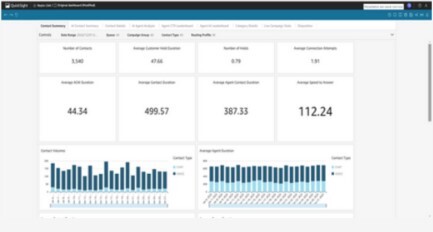
Designed to provide clarity, control, and actionable insights, USAN’s dashboards for Amazon Connect turns raw data into real results. Harness the power of a centralized data lake that brings together data from Amazon Connect and Contact Lens—all in a standardized, easy-to-navigate view.

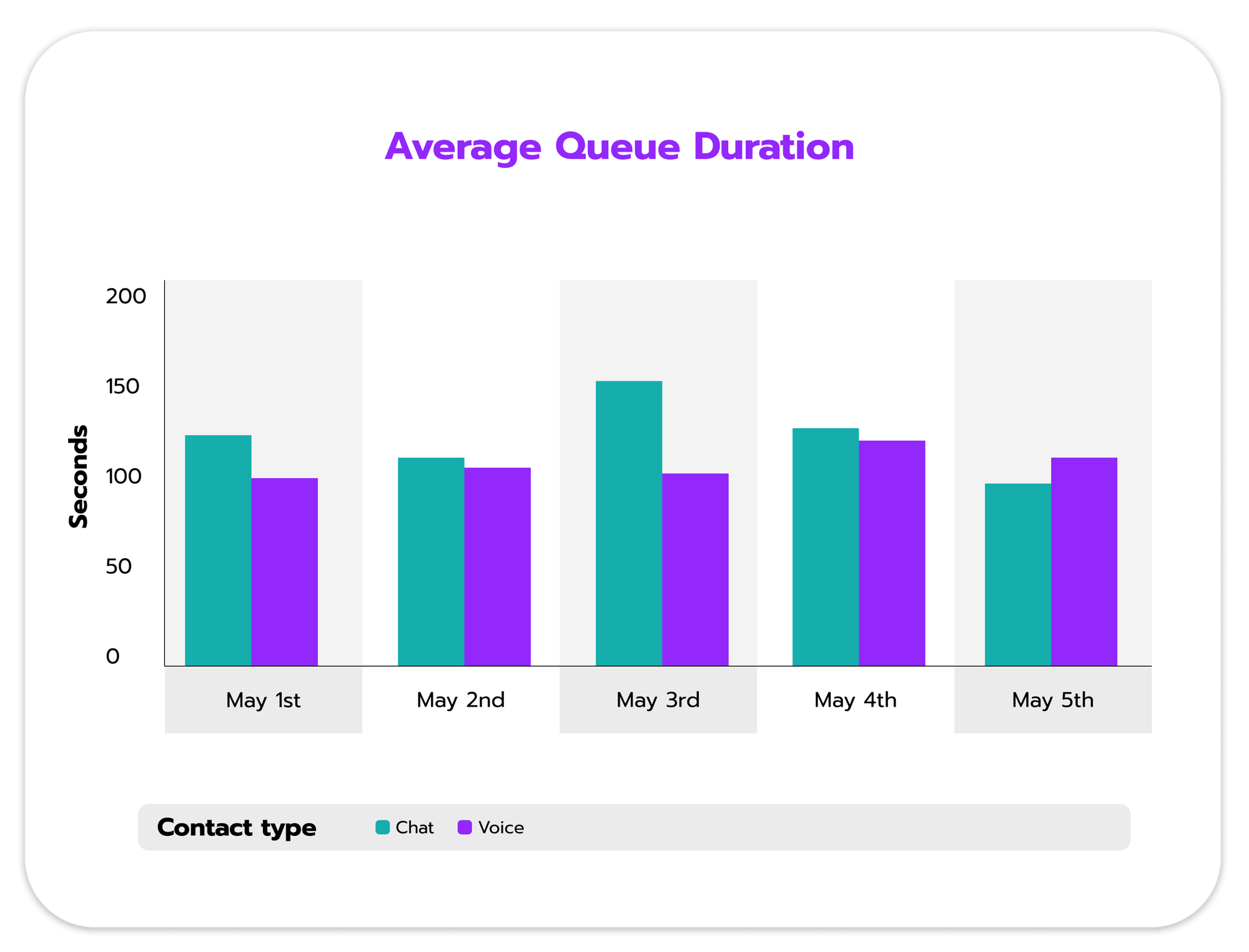
USAN - Average Queue Duration

Built on AWS
QuickSight

USAN leverages the power of AWS QuickSight to provide interactive dashboards that offer intuitive visualizations of your most critical metrics, making it easy to uncover trends and spot opportunities to improve your contact center. 

Take Action
Within a
Dashboard

Drill into each metrics to find root cause among teams, queues, agents, and campaigns - many with financial impact settings that calculates the realized gain or efficiency among your key metrics such as talk time, list penetration, first contact resolution and contact value.

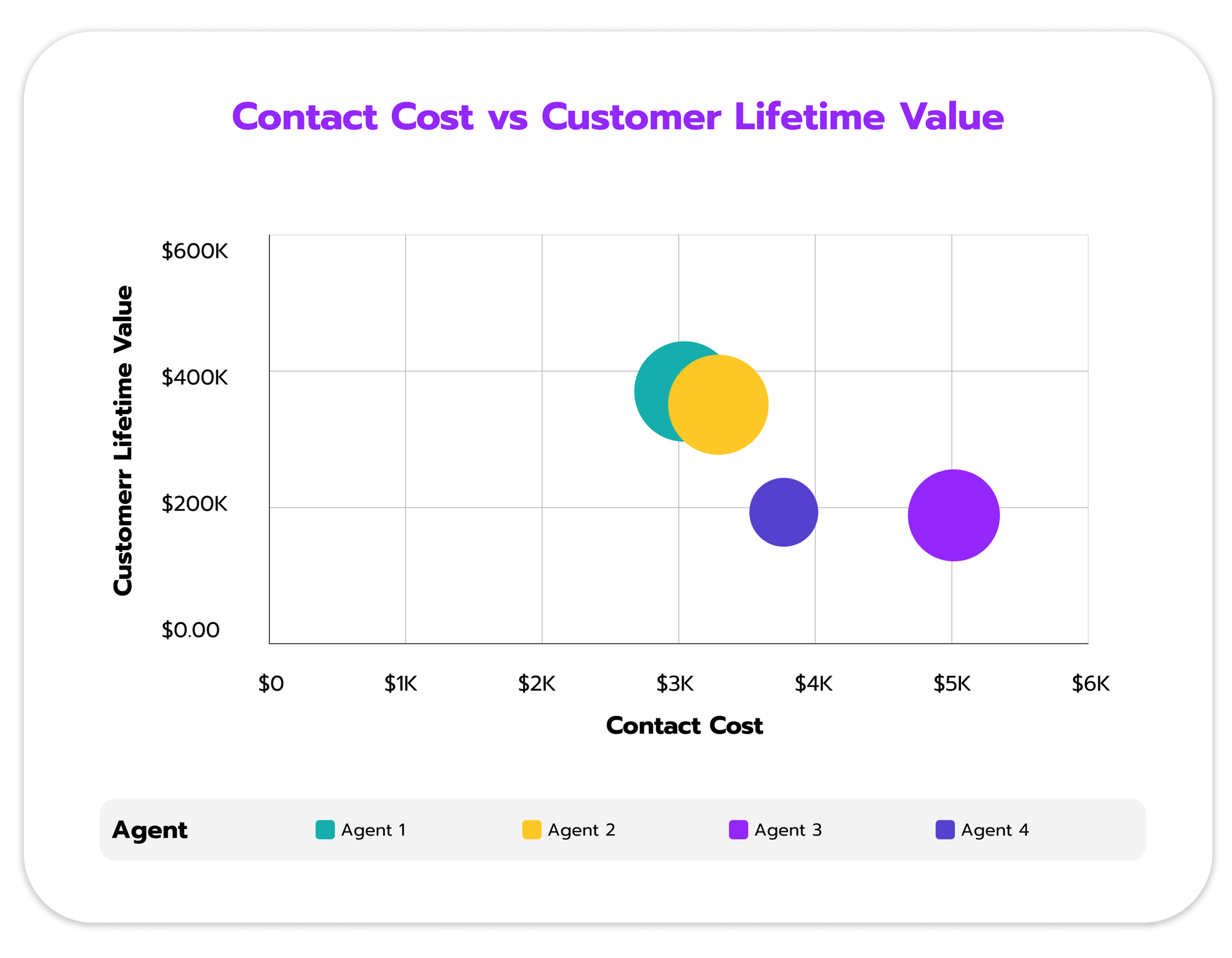
USAN - Contact Cost vs Customer Lifetime Value
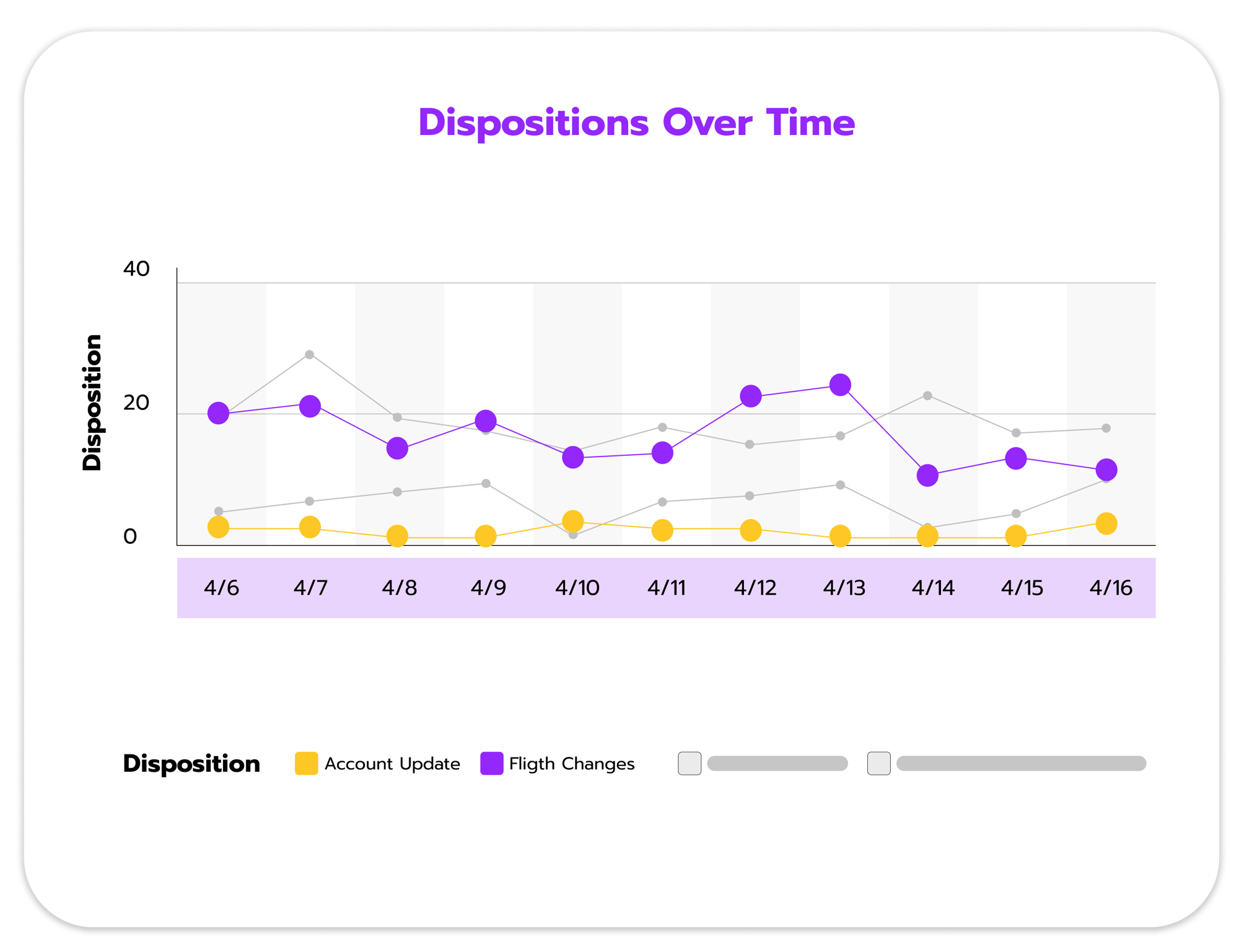
USAN - Dispositions Over Time

Amazon Connect &
Contact Lens
Datalake

Whether you already use Amazon Connect or are thinking of switching to it, we make it easy to have a single source by bringing together data from Connect and Contact Lens in one place. Get a full picture of your operations from a single source of truth.  

What data can you easily access from USAN’s Contact Suite for Amazon Connect? 

AI summary of customer contact
AI Contact Summaries
Cost variances chat
Cost and Value Variances 
Agent leaderboard icon
Connect &
Agent Leaderboards 
Campaign performance icon
Live Campaign Stats  
Call routing icon
Routing Performance 

Get Started Today

Speak with a USAN architect to review the more than 24 out-of-the box dashboards or let us design your own dashboard to meet specific business requirements.

metrics
Team collaborating with charts and analytics

“USAN’s results-driven approach on metrics before, during, and after provided a clear picture of the benefits and success of this project.”

USAN-Logo-Main-RGB
Ready to harness the power of pre-built dashboards in your Amazon Connect instance today? Schedule a demo to get started.

FAQs

1. What is a contact center solution, and how does it improve customer experience?

A contact center solution integrates your phone, chat, email, routing, and data reporting into a single platform. This setup gives agents a clear, real-time heads-up on a customer's history and reason for calling. By removing the guesswork, agents can solve problems faster and deliver a seamless experience across every channel.

2. What are the key components of a successful contact center strategy?

A successful strategy relies on three interconnected pillars. First is smart call routing tailored to how your business actually runs. Second is deep reporting that catches technical bottlenecks early. Third is tight CRM integration so agents have customer data instantly.

3. What are the benefits of a cloud-based contact center?

Moving to a cloud based contact center is all about speed and flexibility. It also eliminates vendor delays - complex IVR adjustments that used to take weeks can now be built, tested, and deployed efficiently.

4. What features should I look for in a cloud contact center solution?

Features such as configurable routing, omnichannel support, CRM integrations, analytics, reporting, self-service automation, security controls, and scalability.

5. What is the best way to migrate to a cloud contact center?

The best migration approach is phased and well planned, running both systems parallelly and with staged traffic movements. Performance validation before retiring the legacy system until the new system proves itself is also vital.

6. What is omnichannel customer service, and why is it important?

Omnichannel customer service connects interactions across multiple channels. It helps customers move from chat to phone or email while agents maintain access to the full conversation history.

7. How do contact center solutions support voice, chat, email, SMS, and social media?

Contact center solutions route interactions across multiple channels through a centralized system.

8. What role does analytics play in improving customer service?

A human QA team can only listen to a tiny fraction of calls manually, meaning important trends or issues can take weeks to notice. Conversational analytics software reviews 100% of your interactions instantly. It catches rising problems and customer frustrations right as they happen.

9. How do managed services improve contact center performance over time?

Managed services improve performance through ongoing monitoring, support, optimization, and performance review. They help keep routing, workflows, automation, and reporting aligned with business goals.

10. What ongoing support should a contact center provider offer?

A contact center provider should offer monitoring, issue resolution, optimization, routing updates, integration support, reporting review, and guidance on new features post launch.

11. What industries benefit the most from modern contact center solutions?

Industries with high-volume or compliance-sensitive customer interactions benefit from cloud contact center solutions. Based on customer service needs, these include healthcare, finance services, utilities, retail and travel industries.

12. What strategies improve customer satisfaction in a contact center?

Customer satisfaction improves through better routing, fewer transfers, stronger agent context, self-service options, sentiment monitoring, and issue resolution before problems escalate.


13. How can businesses deliver consistent customer support across every channel?

True consistency relies on a shared history. Consistency happens when you run everything through a single, unified system so your agents always have the full customer journey right in front of them.

14. Can a contact center solution integrate with Salesforce or Microsoft Dynamics?

Yes, Salesforce often connects through Service Cloud Voice for the deepest integration. Dynamics usually runs through a CTI setup that keeps a customer's record open in the same screen as the call.

15. How do contact center solutions help businesses scale customer support?

A major seasonal spike can be absorbed through a quick configuration update rather than a costly hardware purchase order. Once the rush passes, your capacity drops right back down automatically - meaning you only pay for what you actually used, with no expensive, leftover equipment sitting idle.